Sale
Baxter, Richard
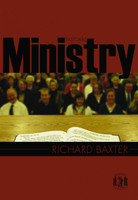
Pastoral Ministry - Pocket Puritans (Baxter)
$3.00
$5.00

Description
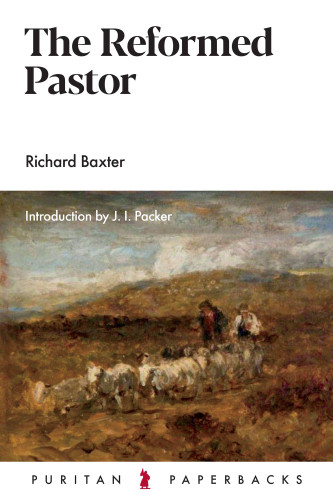
Richard Baxter was vicar of Kidderminster from 1647 to 1661. In an introduction to this reprint, Dr. J.I. Packer describes him as ‘the most outstanding pastor, evangelist and writer on practical and devotional themes that Puritanism produced’. His ministry transformed the people of Kidderminster from ‘an ignorant, rude and revelling people’ to a godly, worshipping community. These pages, first prepared for a Worcestershire association of ministers in 1656, deal with the means by which such changes are ever to be accomplished. In his fervent plea for the discharge of the spiritual obligations of the ministry, Baxter, in the words of his contemporary, Thomas Manton, ‘came nearer the apostolic writings than any man in the age’. A century later Philip Doddridge wrote, ‘The Reformed Pastor is a most extraordinary book…many good men are but shadows of what (by the blessing of God) they might be, if the maxims and measures laid down in that incomparable Treatise were strenuously pursued’.
Today, Baxter’s principles, drawn from Scripture, and reapplied in terms of modern circumstances, will provide both ministers and other Christians with challenge, direction and help.
Endorsement
"A staple classic…you absolutely must have it. The passion, the love, for the souls of your people; this is the type of book you want to read once a year."
—Joel Beeke
About the Author
Richard Baxter (1615–1691) was one of the preeminent Puritan leaders of his day, the most successful Puritan pastor, and the most productive Puritan writer. Ordained at 23, he spent 17 fruitful years as curate at Kidderminster, England. He was ejected from the Church of England by the Act of Uniformity in 1662 and was imprisoned at least three times for his preaching. The author of more than 150 published treatises.
Baxter, Richard

Baxter, Richard

Baxter, Richard


My Personal Guarantee to You
For over 30 years, I have personally reviewed and approved every book we sell at Reformation Heritage Books. My aim has always been to place into your hands books that are biblically and theologically sound, warmly Reformed, deeply experiential, and eminently practical—books that truly nourish the soul and your daily life as a Christian.
Here’s my personal guarantee: if you purchase a book from us and do not find it profitable, we gladly offer a full refund—shipping included. Feed your soul and mind with a good book today.
With warmest regards in Christ,
Dr. Joel R. Beeke
Founder and Chairman, Reformation Heritage Books